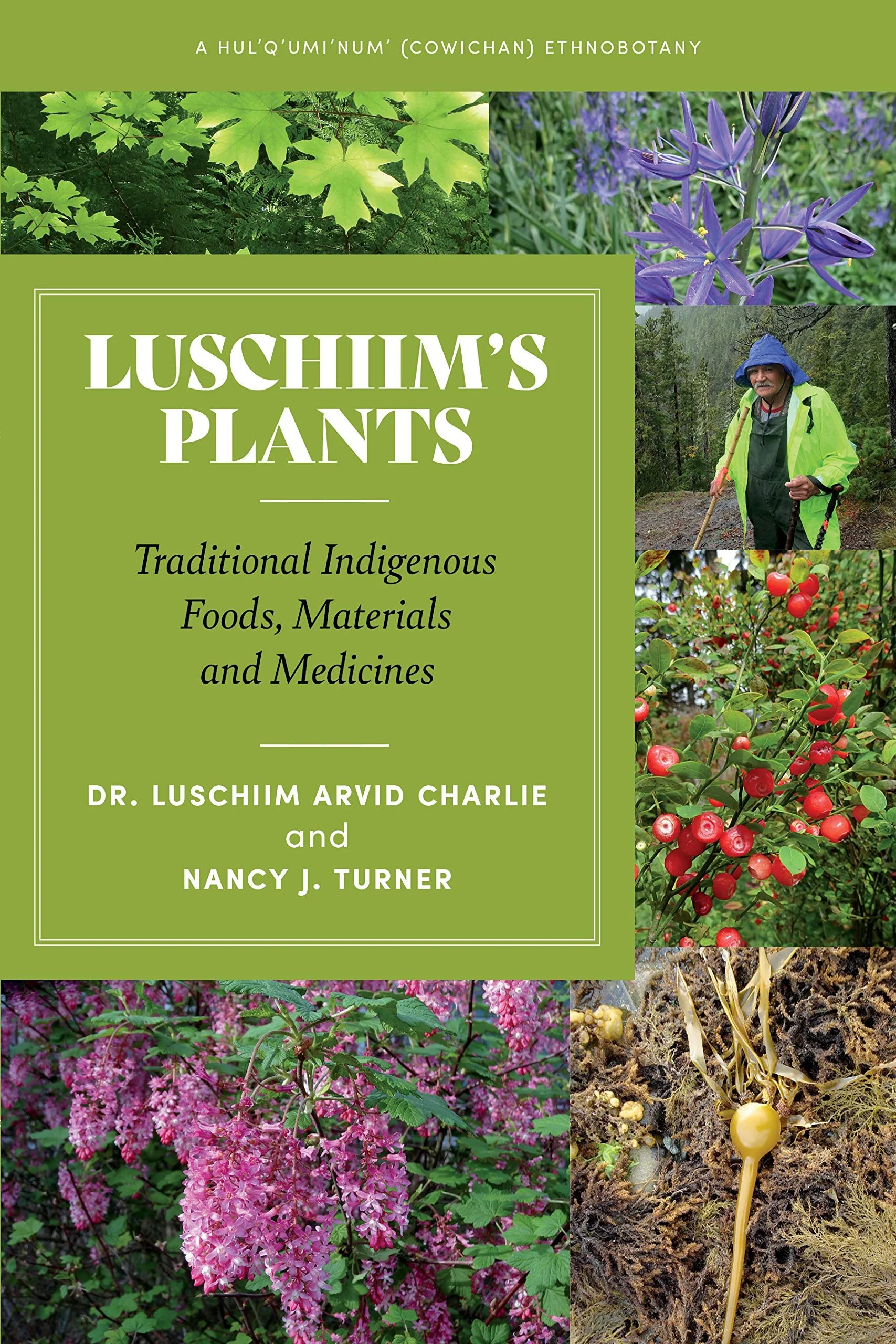
Luschiim’s PlantsTraditional Indigenous Foods, Materials and Medicines
I have been learning about Medicinal herbal knowledge in the UK for the past few years. So, of course before travelling to Canada one of my main hopes was to learn about the herbal knowledge there, especially intrigued to learn about the seaweeds and kelps as we would be by the coast!
I spotted a wonderful book through the window of Ten Old Books in Duncan, BC. The book was ‘Luschiim’s plants’ by Dr. Luschiim Arvid Charlie and Nancy J. Turner.
It felt really important for me to understand more about the knowledge and stories of First Nations in BC . ‘Luschiim Arvid Charlie, is a Cowichan Tribe Elder and botanical expert. He gained knowledge and understanding from is great grandparents and others of their generation.’
It was incredible to delve into this book whilst walking on Vancouver Island, it felt very special to have knowledge that has been in Luschiim’s ancestory for multiple generations.
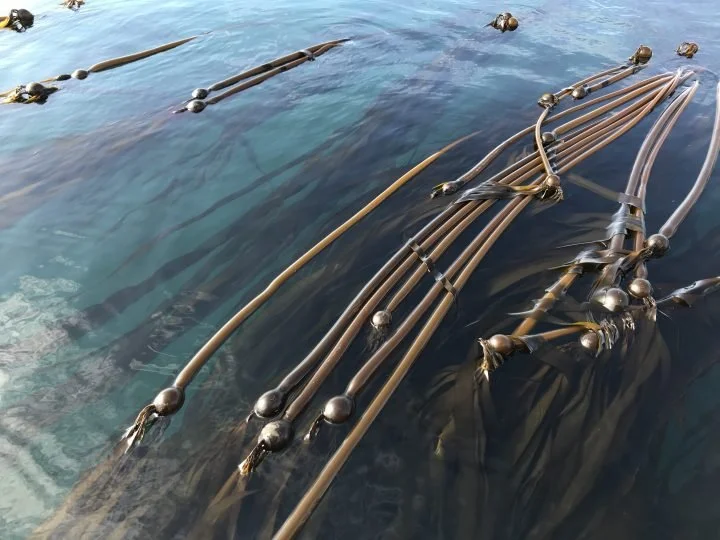
In particular, I loved learning about the uses of the Bull Kelp (pictured) - these were used for curing things such as a bow and arrow. The wonderful thing about the book is you hear Luschiim’s voice and stories throughout, you hear his ancestors voices through his stories too. This for me is a very special way to read about First Nations and their true knowing and connection with the land. I am very grateful that Luschiim shared some of his wisdom.
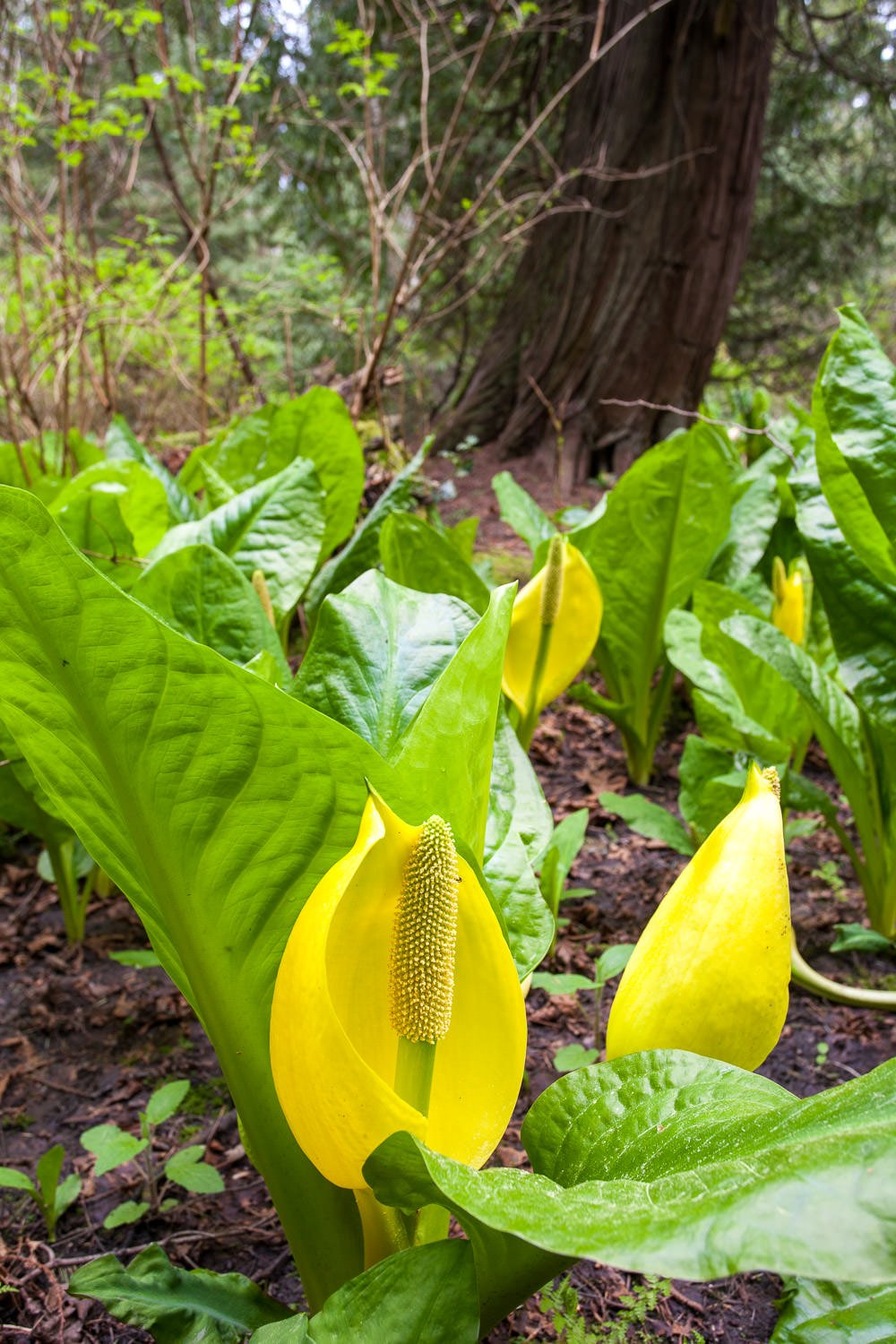
I was also very inspired to know more about the Skunk-Cabbage. Luschiim mentions a story that his great-grandfather told him. '“when the black bears and grizzlies wake up in spring after their winter sleep they gorge on ts’a’kw’a (skunk cabbage leaves) - all they can eat and run through the bushes. This flushes out all the worms they might have”
On a kayaking trip our guide told us that the skunk cabbage retain alot of heat and when there is snow they are the first things to pop out as they melt the snow, so the bears have something to gorge on as soon as they spot the green leaves!
I look forward to reading more about the native plants in BC, even being back in the UK, it’s always exciting to see links in our herbs too!